
The Revolutionary Promise and Stalinist Betrayal
The Parallax ViewThis thread traces the argument that Stalinist terror both betrays and compulsively repeats the revolutionary break it seeks to contain.
increasing Bearing strength in each event
 decreasing
Bearing strength in each eventdecreasingRevolutionary Beginnings
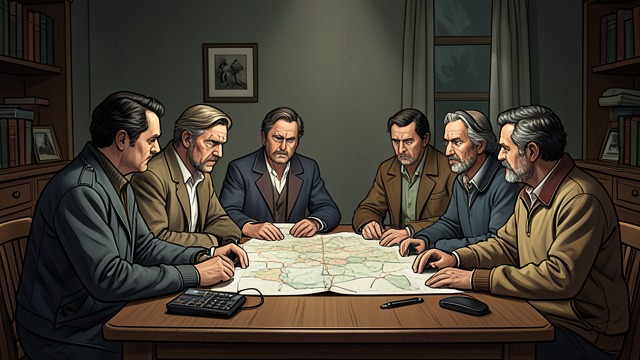
A Break with the Old Order
Collective possibility
The revolution opens a space for radical social transformation and new political forms. Its promise exceeds the routines of the state that will later claim to embody it.
An unresolved inheritance
The revolution’s emancipatory energy does not disappear when institutions stabilize. It remains a demand against the order built in its name.
Retreat into the NEP
A Partial Stabilization
Social texture persists
The New Economic Policy consolidates state power while leaving much of everyday social life intact. The revolutionary project becomes less visibly transformative.
Tension accumulates
The pause does not resolve the conflict between revolutionary aspiration and institutional survival. It prepares the ground for a more forceful turn.
The 1928 Turn
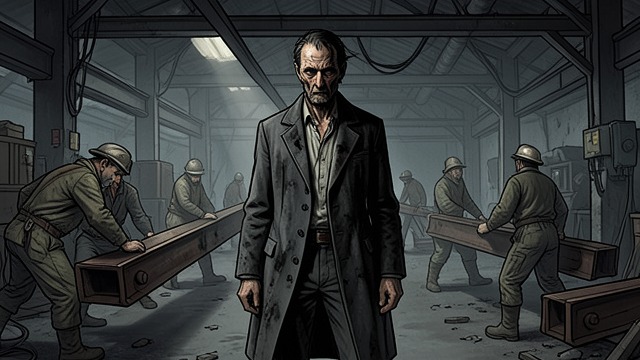
Transformation by Force
A sudden policy reversal
Stalin’s leadership adopts rapid industrialization and forced collectivization, taking up demands associated with the defeated Left Opposition. The program is imposed with far greater brutality than its proponents had envisaged.
The social body changes
Peasant ownership and old administrative structures are attacked. The book treats this as a radical, destructive effort to remake society.
The Purges Return the Revolution
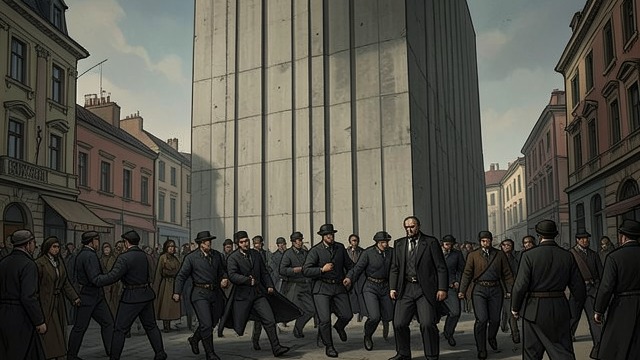
Terror Turns Inward
The new order attacks its own ranks
Purges threaten members of the ruling apparatus as well as its declared enemies. The regime publicly stages betrayal and guilt within the institutions that claim to have secured the revolution.
A repressed origin returns
The terror is both a betrayal of the revolutionary project and a distorted reminder of its unresolved negativity. Stability repeatedly summons the violence it tries to suppress.
The Unfinished Revolutionary Sequence

Neither Accident nor Destiny
Two easy explanations fail
The book rejects both the claim that Stalinism was a merely accidental deviation and the claim that revolutionary communism was inherently identical with it.
A tragic historical inheritance
The task becomes thinking revolutionary possibility together with its disastrous realization. No clean separation can erase what the revolution opened or what the regime did.
1917–1921
Soviet New Economic Policy period
1928
Late 1930s
Chapter 5, retrospective assessment
